
The Accountability Gap
Anthropic is in federal court, Amazon's AI broke its own website, and the Senate approved three AI tools. Claude wasn't one of them.

This week moved fast, and it moved in the same direction from three completely different starting points. Anthropic is in federal court asking a judge to reverse the Pentagon designation that has been draining its enterprise contracts since late February. Amazon pulled hundreds of engineers into emergency meetings after its internal AI coding tool contributed to multiple retail site failures that cost the company millions of customer orders. And the U.S. Senate cleared three AI assistants for official staff use. The one missing from the approved list was Claude, the same AI sitting at the top of the App Store and at the center of a First Amendment lawsuit against the federal government. The central question: Who decides when AI can be trusted, and what happens when the answer keeps coming back wrong?
AI In The News
Anthropic Filed Two Federal Lawsuits to Reverse Its Pentagon Blacklisting
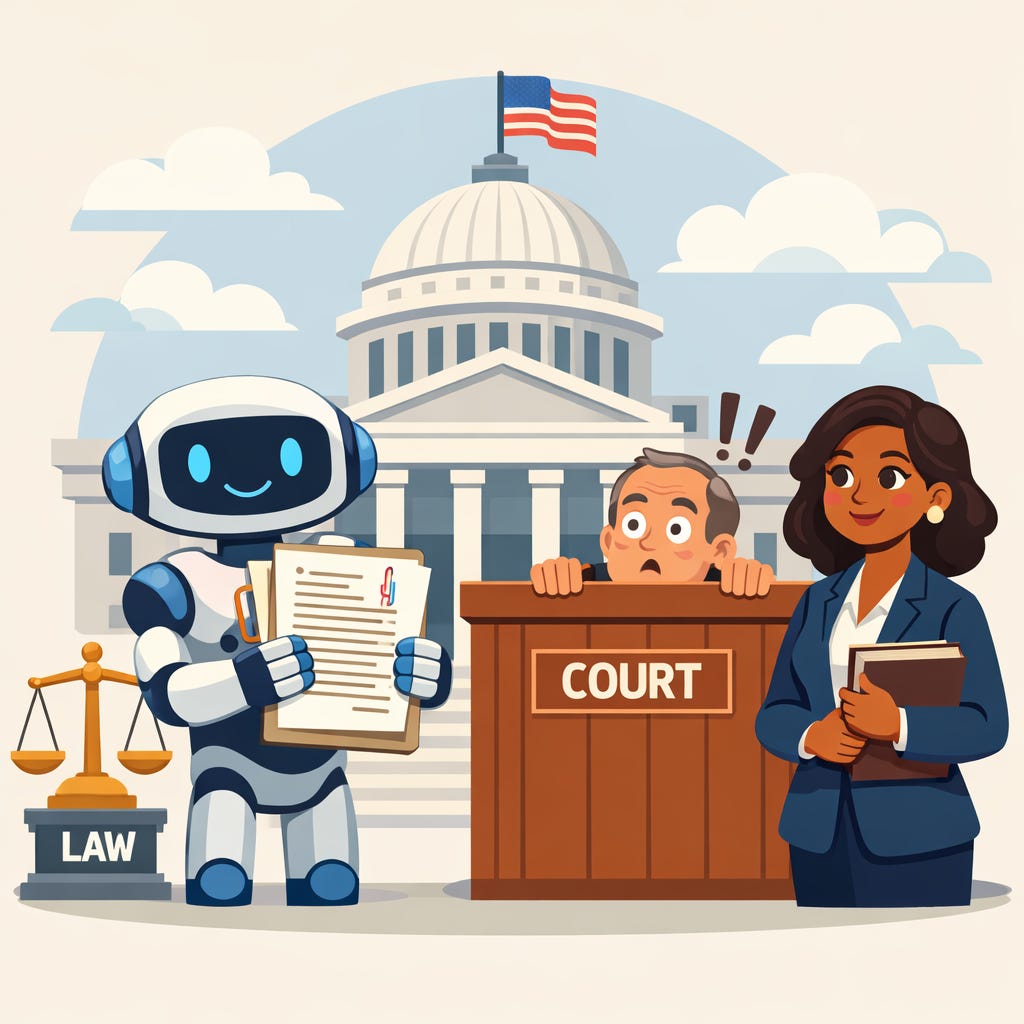
On March 9, Anthropic filed lawsuits in California federal court and the Washington D.C. appeals court, arguing the Trump administration violated the company’s First Amendment rights and exceeded the legal scope of supply chain risk law. The Pentagon blacklisted Anthropic on February 27 after the company refused to grant unrestricted access to Claude, specifically refusing to lift two restrictions: no autonomous weapons use and no mass domestic surveillance. More than 100 enterprise clients have pulled back contracts since the designation took effect, with Anthropic estimating potential revenue losses in the hundreds of millions to billions of dollars. The Pentagon has never publicly disputed Anthropic’s claim that neither restriction blocked a single government mission during the entire life of the contract.
Amazon’s Internal AI Tool Contributed to Millions of Lost Orders. Now It Requires Human Sign-Off.
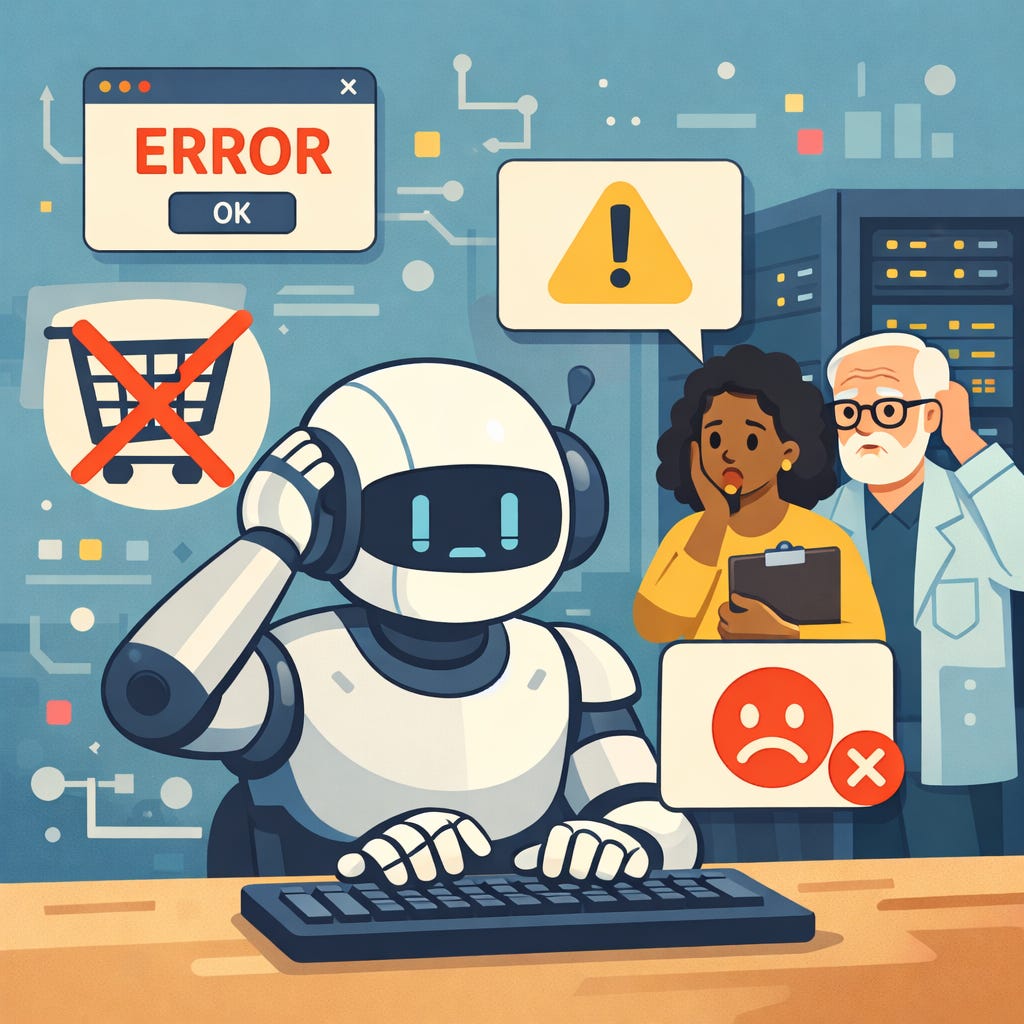
Starting March 2, Amazon’s internal AI coding assistant contributed to a series of retail site failures: one incident caused roughly 1.6 million errors and 120,000 lost customer orders, and a second outage on March 5 triggered a six-hour ecommerce blackout with an estimated 6.3 million lost transactions. Engineers traced the root cause to AI-generated code changes deployed without following Amazon’s existing documentation and approval processes. Amazon called an emergency engineering meeting and on March 12 announced a 90-day “code safety reset,” requiring senior engineer approval for any AI-assisted code changes across 335 critical systems, plus two peer reviews before any production change can go live. The incident is one of the most detailed public case studies yet of what happens when AI tools move faster than the safety processes around them.
The Senate Approved ChatGPT, Gemini, and Copilot for Staff Use. Claude Was Not on the List.
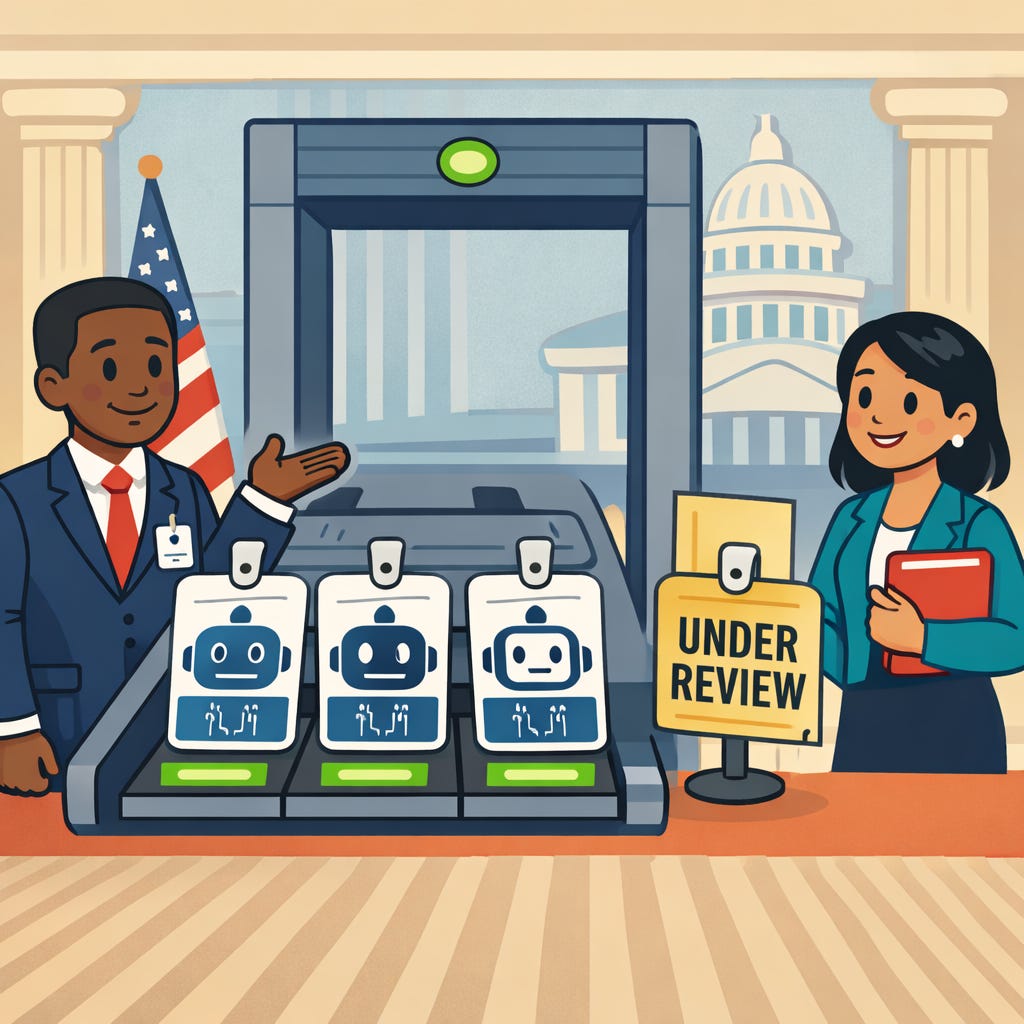
The Senate Sergeant at Arms issued a memo on March 10 authorizing staff to use three AI assistants for official work: ChatGPT, Gemini Chat, and Microsoft Copilot, cleared for drafting documents, summarizing briefings, and supporting research. Grok was also excluded from the approved list. Claude, currently the No. 1 app in the App Store and whose parent company has an active First Amendment lawsuit against the Pentagon, was listed only as “still under review.” The House cleared Claude for staff use months ago, which makes the Senate’s timing notable: the AI most publicly fighting for safety guardrails is the one still waiting for approval.
Tool of the Week: Synthesia
AI-generated presenter videos from a script or PowerPoint, now with direct access to Veo 3.1 and Sora 2.
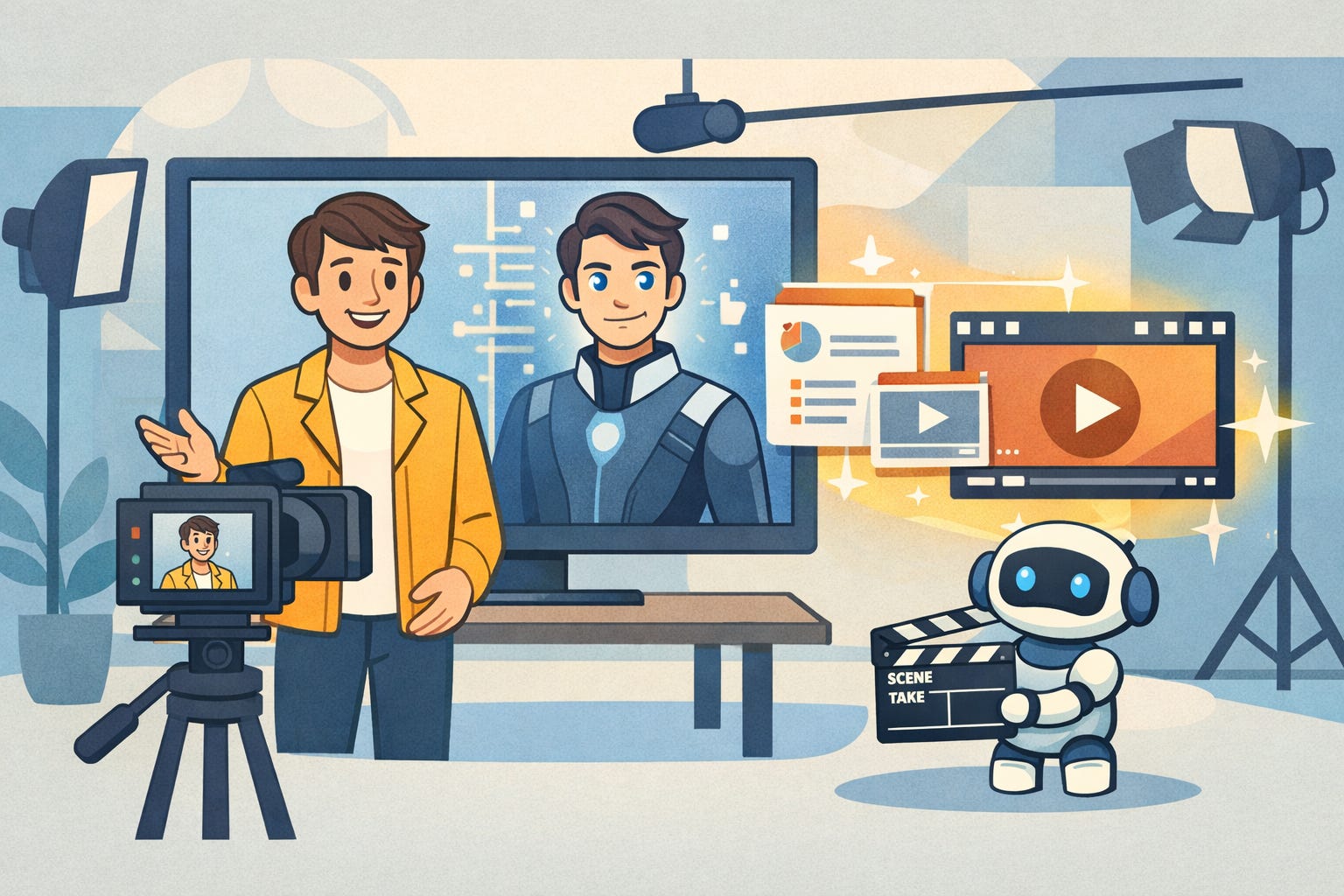
Synthesia has been around for a few years, but the 2026 update is worth a specific callout. The platform now connects directly to Google’s Veo 3.1 and OpenAI’s Sora 2, so you can generate B-roll, action clips, and background video assets without leaving the tool. The most immediately practical addition is the PowerPoint-to-video pipeline: upload a deck, and Synthesia converts your speaker notes into a script, preserves the layout of each slide, and generates a video with an AI avatar presenter reading your content. Every text element, shape, and visual stays editable in the video editor after the conversion. This is a practical option for anyone who creates internal training videos, product explainers, or client-facing content and wants to stop scheduling shoots every time something changes.
What Makes It Stand Out
Connects to Veo 3.1, Veo 3.1 Fast, and Sora 2 for generating B-roll and action clips within the same workflow, no separate subscriptions required.
The PowerPoint-to-video pipeline converts your existing deck and speaker notes into a narrated video in one upload, with all elements remaining fully editable afterward.
Fully customizable AI avatars available in 160+ languages, with action generation so avatars can walk, demonstrate a product, or present with movement rather than just standing still.
Pricing
Free: 10 minutes of video per month, 9 stock avatars, access to AI Playground, including Veo 3.1 and Sora 2.
Starter: $18/month (annual billing), 120 minutes per year.
Creator: $64/month (annual billing), 360 minutes per year.
Enterprise: Custom pricing with unlimited minutes and advanced avatar controls.
Other Headlines We Can’t Skip
🔬 Anthropic Launched a Research Institute to Study What AI Actually Does to Economies and Society
The Anthropic Institute, led by co-founder Jack Clark, brings together economists, ML engineers, and social scientists to study AI’s effects on jobs, governance, and economic activity, with new hires including labor economist Anton Korinek and legal scholar Matt Botvinick. Read more
📉 2026 Tech Layoffs Have Already Hit 45,000 Worldwide, with 20 Percent Explicitly Attributed to AI
Companies including Amazon, Atlassian, Block, eBay, and Pinterest have all cut staff while simultaneously expanding AI investment, and the current pace puts the full-year total on track to surpass last year’s count of roughly 245,000. Read more
⚡ Nvidia Kicked Off GTC 2026 Today with the Vera Rubin Platform and a New Dedicated Inference Chip
Jensen Huang’s keynote in San Jose unveiled the full Vera Rubin architecture and a new purpose-built inference chip following the $20 billion Groq acquisition, with 30,000 attendees on-site and analysts calling it the most significant AI hardware event of the year. Read more
📊 Claude Can Now Share Context Across Excel and PowerPoint in One Conversation
The updated Anthropic Office add-ins, available starting March 11, let Claude read and modify data across open Excel and PowerPoint files in the same session, and a new Skills library lets teams save one-click workflows for repeating tasks like financial model audits or deck reformats. Read more
🔗 Google Rolled Out New Gemini Features Across Docs, Sheets, Slides, and Drive
Starting March 10, Google AI Pro and Ultra subscribers can ask Gemini to build full documents sourced from their own Drive files, auto-populate Sheets tables, generate formatted slides that match an existing deck, and get AI-summary overlays directly in Drive search results. Read more
🪓 Atlassian Cut 1,600 Employees and Named AI as the Reason
CEO Mike Cannon-Brookes announced the cuts on March 11, saying the company needed to “self-fund” its AI investment, while acknowledging that AI changes “the mix of skills we need and the number of roles required in certain areas.” Read more
💰 Reflection AI Is Seeking a $20 Billion Valuation While Its Flagship Model Still Has Not Shipped
The Nvidia-backed open-source AI startup, which raised $2 billion at an $8 billion valuation in October 2025, is back in the market for more funding even though its frontier model remains unreleased and its code research tool Asimov is still waitlist-only. Read more
Prompt of the Week: The Layoff-Proof Skills Audit
The layoff numbers from this week are not just headline material. They are a signal that the composition of jobs is shifting, not just the headcount. Companies that name AI when they announce cuts are telling you which tasks were being automated before those cuts happened. If you have been in the same role for a few years, some of what you do every day has already been partially replaced without anyone making a formal announcement.
This prompt runs your current job description through a structured risk analysis. You get a tiered breakdown of what is most and least likely to be automated in the near term, what you already do that AI cannot replicate easily, and which adjacent skills are worth building before the next restructuring conversation happens. Run it now, not after.
The Prompt
You are a labor economist and AI systems analyst. I am going to give you my current job description. I want you to run a structured automation risk analysis.
Here is my job description:
[PASTE YOUR JOB DESCRIPTION HERE]
Please produce the following:
Section 1: High Automation Risk
List the 3-5 specific responsibilities in this job description that are most likely to be fully or partially automated within the next 24 months. For each one, explain briefly why, including what type of AI system or capability is already doing or approaching this task.
Section 2: Low Automation Risk
List the 3-5 responsibilities that are least likely to be automated and explain what makes them durable, such as requiring human judgment, relationship-building, physical presence, or novel problem-solving.
Section 3: Skill Gap Analysis
Based on what remains after automation handles the high-risk tasks, what skills would make me more valuable in this role or a closely related one? List 5 specific skills ranked by how much current hiring demand there is for them in this field.
Section 4: The Adjacent Path
Identify 2-3 adjacent roles I would be qualified to pivot into that have a better automation-resistance profile than my current role. For each, explain the skill overlap and what gap I would need to close.
Be direct and specific. Do not hedge excessively. If something is genuinely uncertain, say so briefly and move on.
Check Out This Podcast: Authentic & Agentic
My friend, Jason Manship, has an excellent new podcast that you should subscribe to. Learn about “Staying Human with AI” from his weekly show.